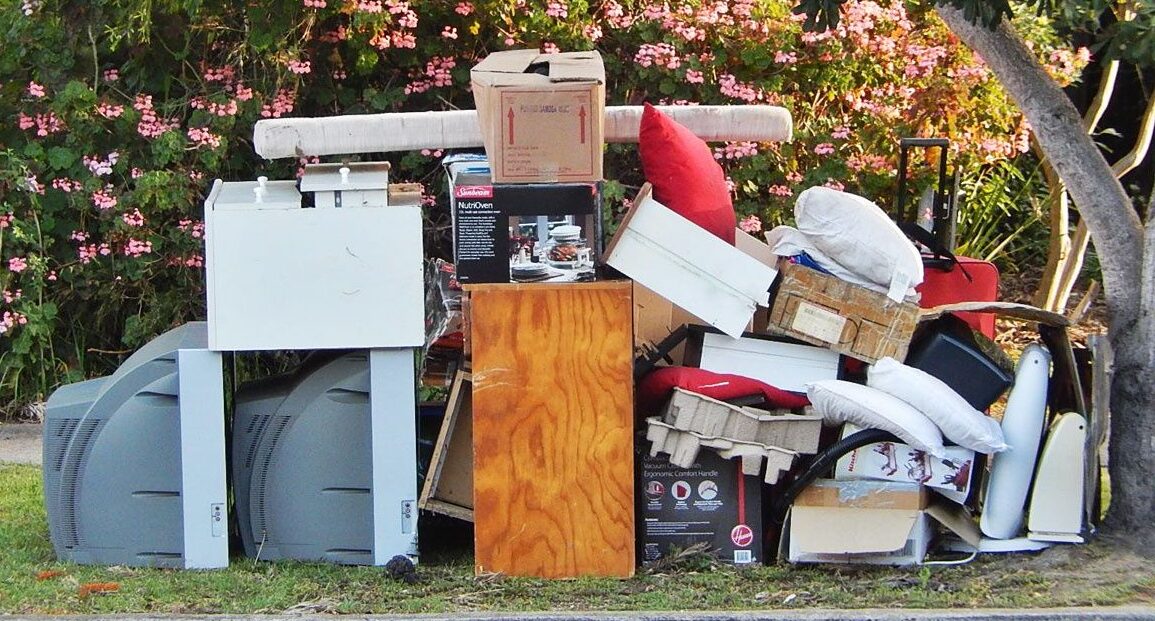
Clearing accumulated items from home can feel overwhelming yet proper methods make the task simpler. Careful planning turns a messy process into manageable steps that save time. Selecting the right approach helps avoid stress during removal of unused objects. Many households benefit from structured actions that keep everything organized from start to finish. The entrümpelung Wien professional support for thorough cleanouts. Focus stays on practical steps that reduce effort while ensuring nothing valuable gets lost. Simple routines allow quick progress without creating extra work for anyone involved.
Sorting Items With Care
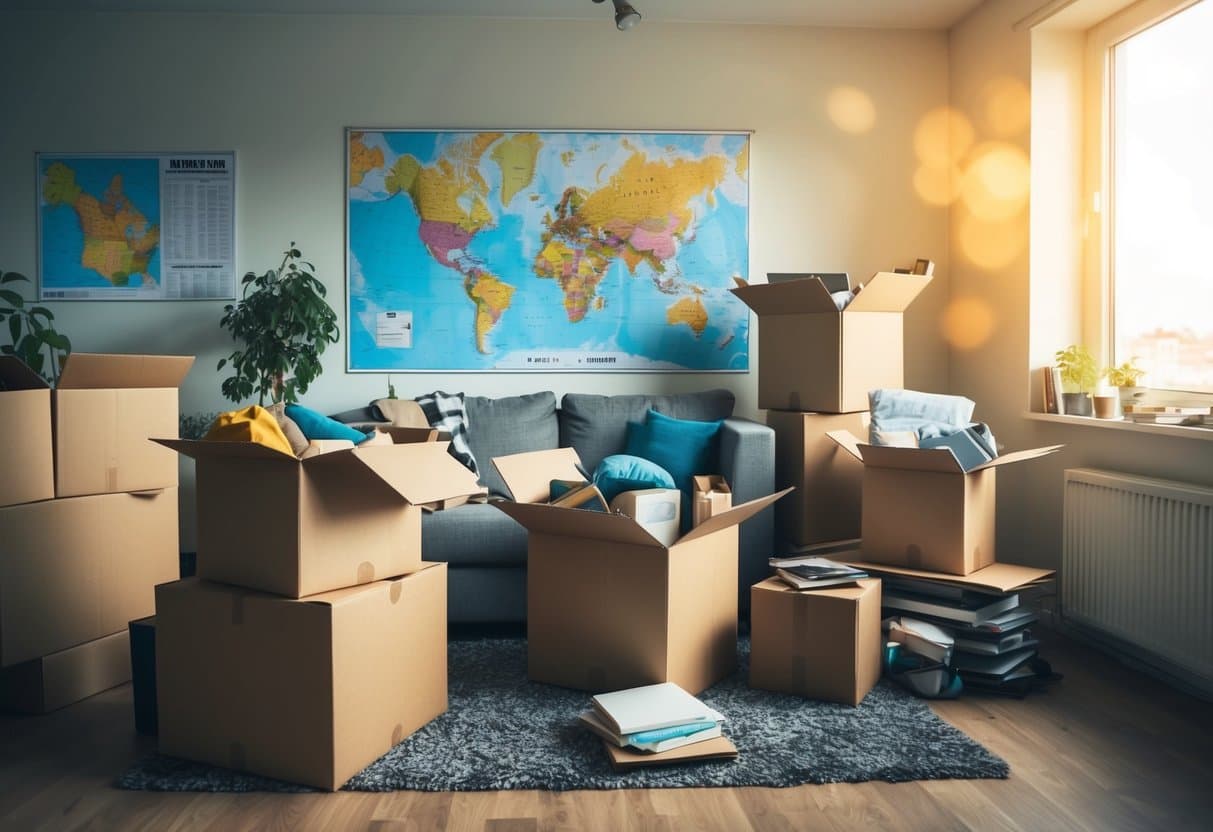
Begin by grouping objects into keep donate or discard categories to simplify decisions. Walk through each room slowly so every piece receives proper attention. Label boxes clearly to prevent mixups later in the process. This step builds a strong foundation for the rest of the clearance work.
Choosing Reliable Help Services
Professional teams handle heavy lifting and disposal according to local rules. Ask about their process for recycling materials whenever possible. Confirm timing so the service matches your schedule exactly. The entrümpelung Wien appears useful when contacting specialists ready for full home support.
- Select crews with proven records of timely completion every single job
- Request clear pricing details before any work begins on site
- Verify they manage recycling of suitable materials without extra fees
- Ensure workers protect floors walls during removal of large objects
- Confirm insurance coverage exists for accidental damage during service
Preparing Spaces For Clearance
Empty drawers shelves and cabinets completely before the main removal starts. Sweep floors to create safe pathways for moving larger pieces. Cover remaining furniture to shield it from dust or scratches. Open windows for better air flow while work continues inside rooms.
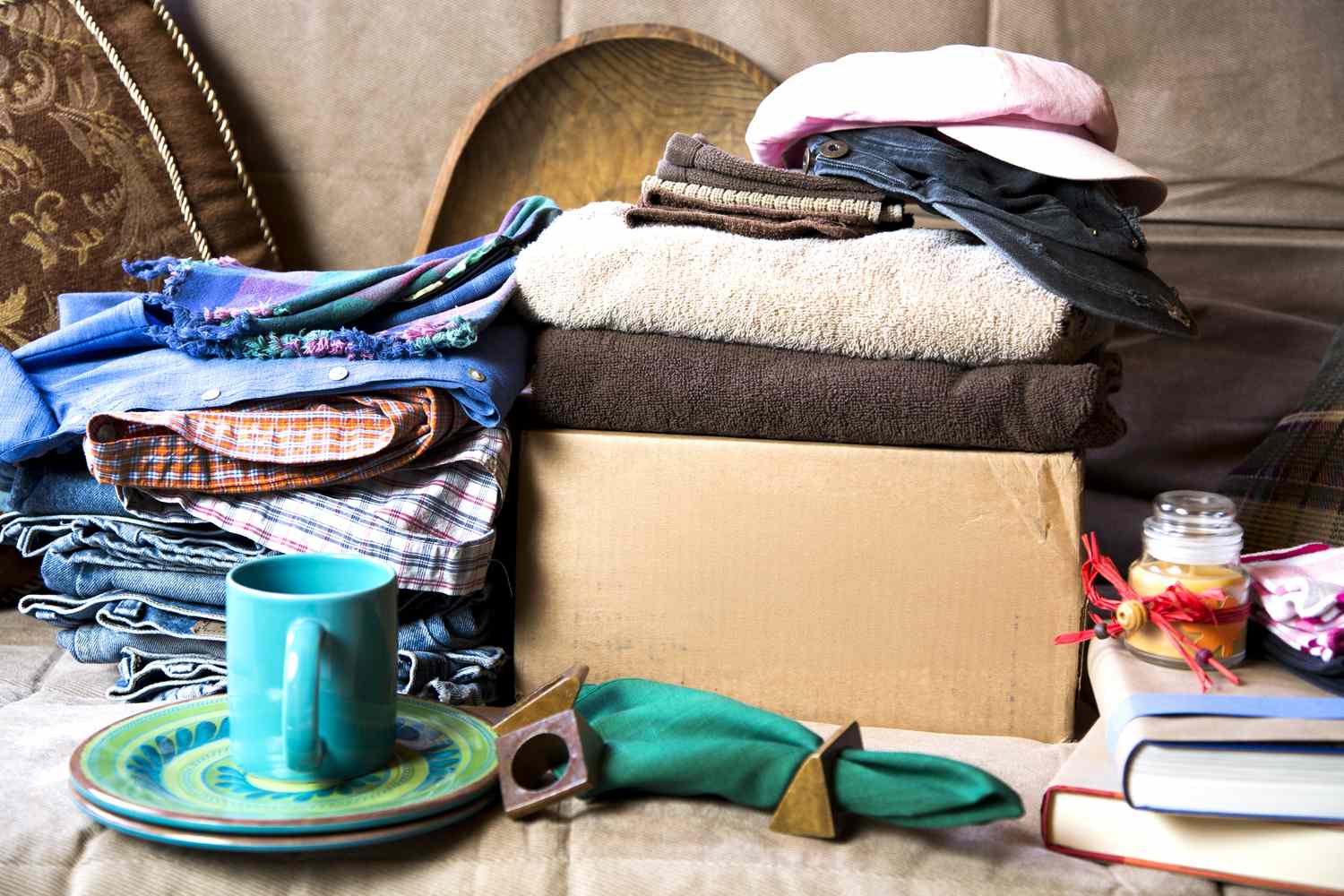
Handling Special Belongings Safely
Fragile pieces need extra padding and separate packing to avoid breaks. Documents require secure storage until their status gets decided properly. Electronics should go to proper collection points rather than regular trash. Artwork benefits from careful wrapping that prevents surface damage during transit.
- Wrap glass items in soft cloth before placing them into sturdy boxes
- Store important papers in waterproof containers until review finishes fully
- Separate batteries from devices prior to any disposal action taken
- Keep sentimental objects aside for final personal decisions later on
- Use strong tape on all boxes holding heavier or awkward shapes
Completing Process Efficiently
Review every area once more after the bulk removal finishes successfully. Clean surfaces thoroughly so the space feels fresh and ready again. Arrange remaining items in logical spots for easier daily access. Note any final tasks that still need attention before closing the project.
Steady planning combined with clear steps removes stress from clearing old belongings. Reliable support ensures heavy work gets finished quickly and correctly. Careful sorting protects useful items while unwanted ones leave without delay. Following these methods leaves rooms organized and ready for new uses. Consistent effort produces lasting order that improves everyday living for all residents.
How long does a typical home clearance usually take to finish?
Most clearances finish within one or two days depending on size.
What items need special handling during a full home clearance process?
Fragile electronics documents and artwork require extra care and packing.
Can cleared materials go toward recycling instead of regular waste disposal?
Many suitable materials get sorted for recycling by trained service teams.